Whiteway Maxillofacial Cancer Rehabilitation
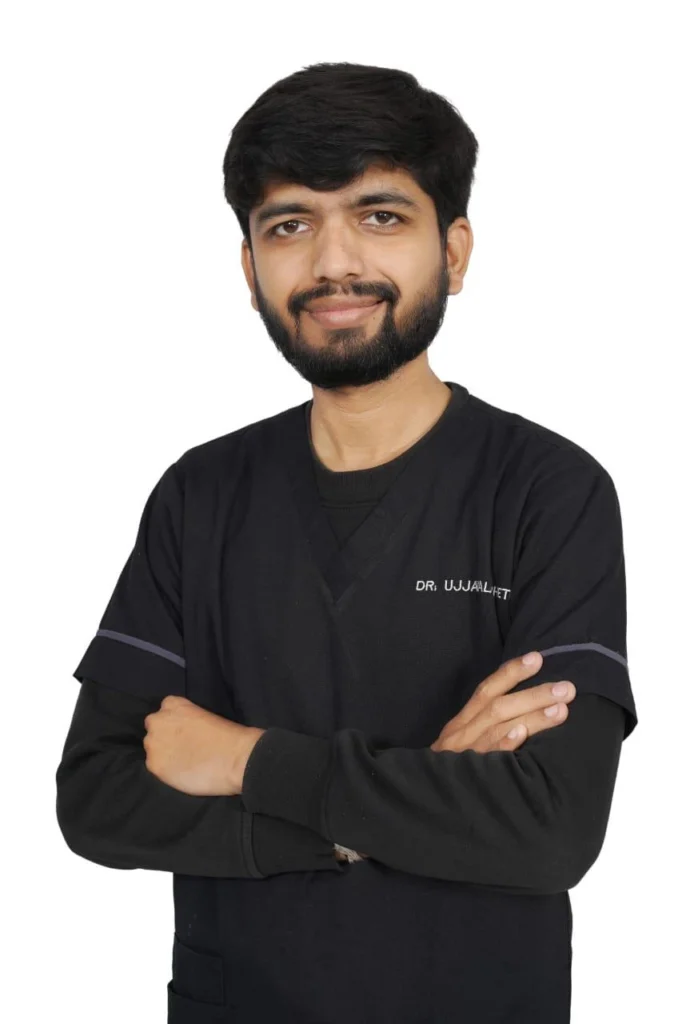
Whiteway Maxillofacial Cancer Rehabilitation is the post-cancer maxillofacial prosthetic rehabilitation service of Whiteway Dental, led by Dr. Ujjaval Sheth. It is for patients who need obturators, jaw and facial prostheses, and dental rehabilitation after cancer treatment.
Dr. Sheth works as Consultant / Maxillofacial Prosthodontist at The Gujarat Cancer & Research Institute, focusing on post-cancer prosthetic rehabilitation, and leads Whiteway Maxillofacial Cancer Rehabilitation in private practice. Each plan is made together with the patient's treating team.
Why prosthetic rehabilitation matters
Treatment for cancers of the mouth, jaws, sinuses and face can change how a person eats, speaks, swallows and looks. Prosthetic rehabilitation aims to restore these functions as far as possible and to help people return to daily life with confidence.
Options that may be considered
- Obturators for openings in the palate: surgical, interim and definitive stages. See obturators.
- Removable prostheses, such as dentures designed around altered anatomy, and jaw or facial prostheses.
- Implant-supported prostheses, where suitable, after careful assessment with the oncology team.
The rehabilitation journey
- 1. Before surgery: coordination with the oncology teamWhere the treating team plans it, a dental assessment and impressions or scans for a surgical obturator can be made before an operation that will remove part of the upper jaw, so that later rehabilitation is supported.
- 2. Dental care before radiotherapyIf radiotherapy is planned, teeth with poor long-term outlook in the radiation field are usually treated or removed beforehand, allowing time to heal before radiation starts. Preventive measures such as fluoride are planned with the radiation oncologist.
- 3. Surgical stageFor maxillectomy patients, a surgical obturator placed at the end of surgery supports the packing and helps early speech and swallowing.
- 4. Interim stageAs healing progresses, an interim prosthesis is fitted and adjusted or relined regularly as the tissues change, often over several months and during radiotherapy if given.
- 5. Definitive stageOnce the tissues are stable, a definitive obturator, denture, jaw prosthesis or facial prosthesis is made. Implants may be considered in selected cases after careful assessment.
- 6. Long-term follow-upRegular reviews for fit, comfort, oral health and prosthesis maintenance, alongside the cancer follow-up schedule set by the oncology team.
Radiotherapy and dental care
Radiotherapy to the head and neck can have lasting effects on the mouth. Planning around them is an important part of rehabilitation:
- Dry mouth (xerostomia): reduced saliva makes dentures and prostheses less comfortable and increases the risk of decay. Saliva substitutes and careful hygiene help.
- Radiation-related tooth decay: meticulous brushing, prescribed fluoride and regular dental reviews are important, often for life.
- Limited mouth opening (trismus): jaw-stretching exercises, started as advised, can help maintain opening and make treatment and prosthesis use easier.
- Healing of irradiated bone: irradiated jaw bone heals less well. Extractions or surgery in these areas, including implants, need careful planning with the oncology team to reduce the risk of complications such as osteoradionecrosis.
- Sensitive tissues: prostheses are adjusted carefully to avoid pressure on fragile tissues.
Do’s and don’ts
Mouth care around head and neck radiotherapy
Do
- Have a dental check-up before radiotherapy starts, so any treatment can heal first
- Brush gently twice a day with a soft brush and fluoride toothpaste, and use prescribed fluoride
- Keep your mouth moist with sips of water and saliva substitutes as advised
- Do jaw-stretching exercises as advised to help keep your mouth opening
- Tell any dentist that you have had radiotherapy before an extraction or surgery
- Keep regular dental reviews, often for life
Avoid
- Smoking, chewing tobacco and alcohol, which irritate the tissues
- Frequent sugary snacks and drinks, especially with a dry mouth
- Alcohol-based mouthwashes, which can sting and dry the mouth
- Wearing a denture or prosthesis that rubs; take it out and have it checked
- Extractions or surgery in the treated area without planning with the oncology team
- Ignoring an ulcer, exposed bone or pain that does not settle
General information only. Always follow the advice of your oncology and dental team.
Follow-up and everyday life
Tissues continue to change for months after treatment, so prostheses need periodic adjustment, relining or remaking. Speech and swallowing therapy, nutrition advice and emotional support are valuable parts of recovery, and we work alongside the professionals involved in each patient's care.
Research focus
Dr. Sheth is a PhD fellow researching implant-supported prostheses for patients after cancer treatment. Read more about his research and teaching.
For referring clinicians
Surgeons, oncologists and dentists can send referrals by WhatsApp or email, with reports and scans attached. See the referral page for what to send.
Contact
Whiteway Dental, C/1 Harekrishna Appt., Vasna Barrage Road, Ahmedabad 380007 · +91 97255 35090 (call or WhatsApp) · whitewaydental.com
This page is general information and does not replace advice from your treating oncology team.